What Does PH Stand For? - reseller
If you're interested in learning more about pH levels and their applications, consider exploring the following resources:
- Environmental scientists
- Food pH: measures the acidity or alkalinity of food
- Reality: While dietary choices can influence pH levels, it's not possible to drastically change your body's pH levels through food or supplements.
- When the body's pH levels become too acidic or too alkaline, it can lead to health issues and diseases.
- pH-related blogs and online forums
- Enhanced athletic performance
- Soil pH: measures the acidity or alkalinity of soil
- Improved health and well-being
- Healthcare professionals
- Parents and caregivers
- Body pH: measures the acidity or alkalinity of bodily fluids
- Myth: All alkaline foods are healthy and beneficial.
- Myth: pH levels can be drastically changed through diet alone.
- Food enthusiasts and chefs
- Reality: While some alkaline foods can provide health benefits, others may not have the desired effects.
- Scientific studies and research papers
- pH levels in foods and drinks can affect the body's overall pH balance.
- Water pH: measures the acidity or alkalinity of water
- Educational courses or workshops
- Better digestion and nutrient absorption
- pH-testing kits or meters
- Athletes and fitness enthusiasts
How can I measure pH?
What is the ideal pH level for the human body?
The ideal pH level for the human body is slightly alkaline, ranging from 7.35 to 7.45. This narrow range is essential for proper bodily functions.
Here's a simplified explanation:
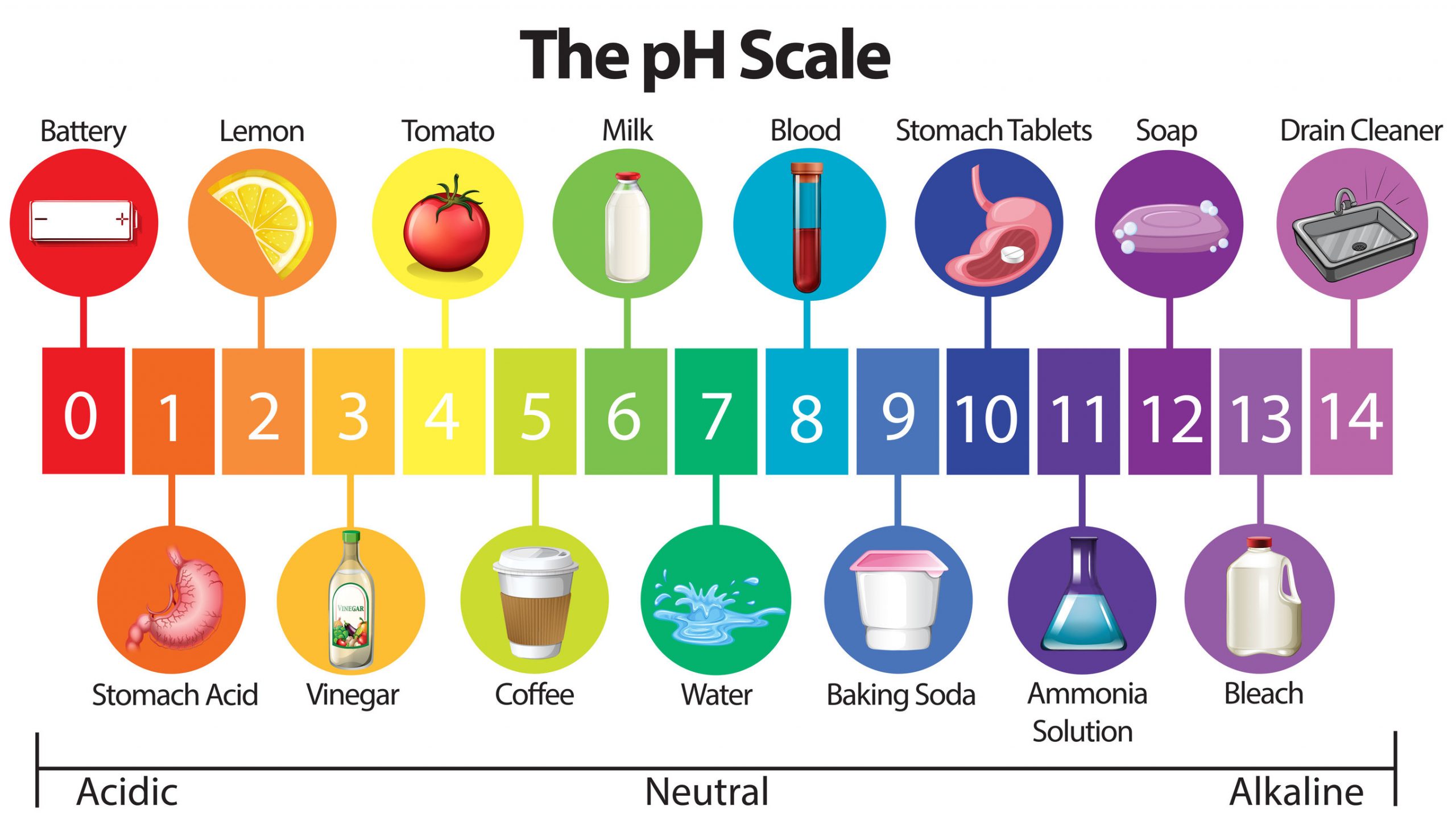
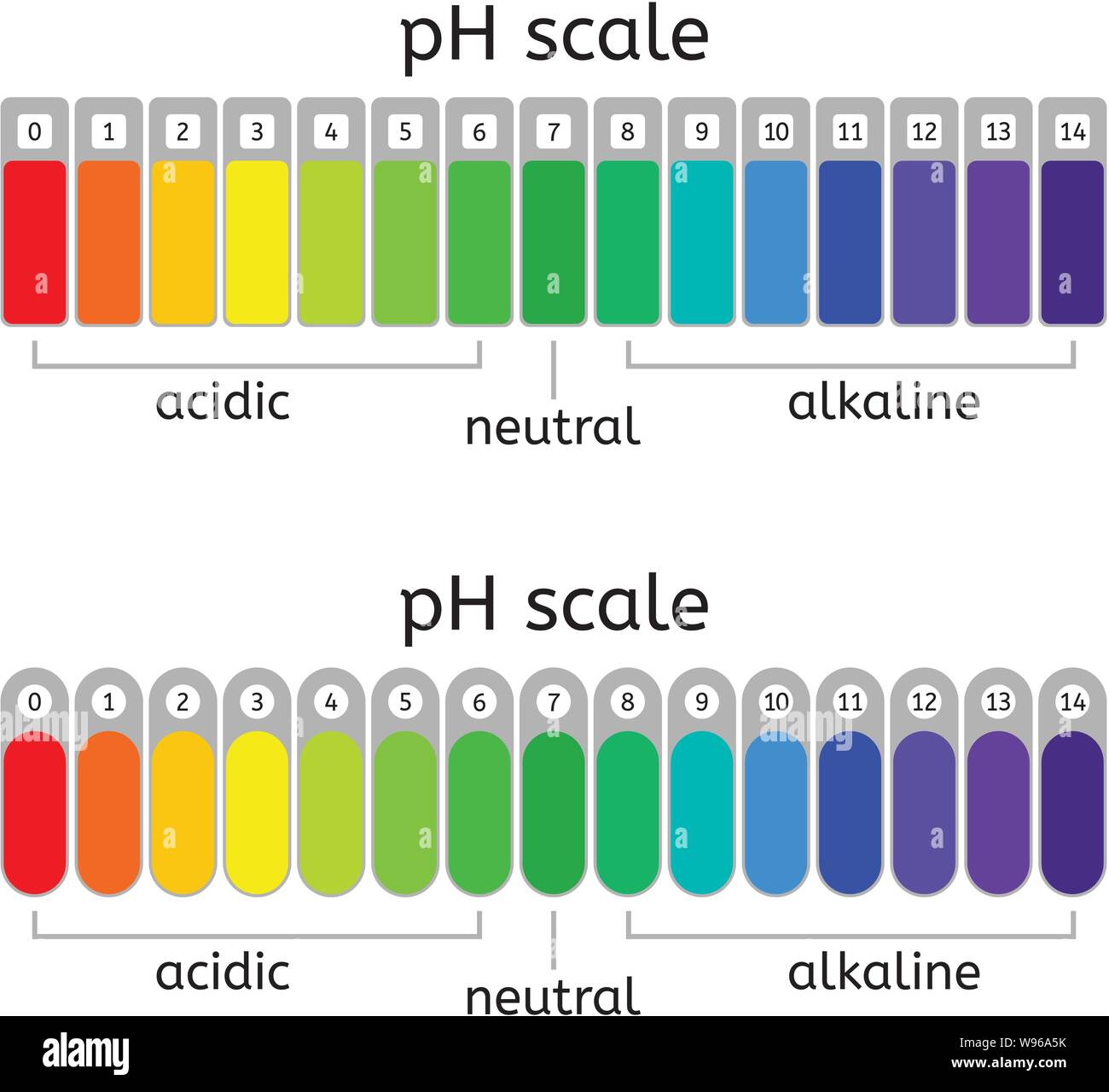
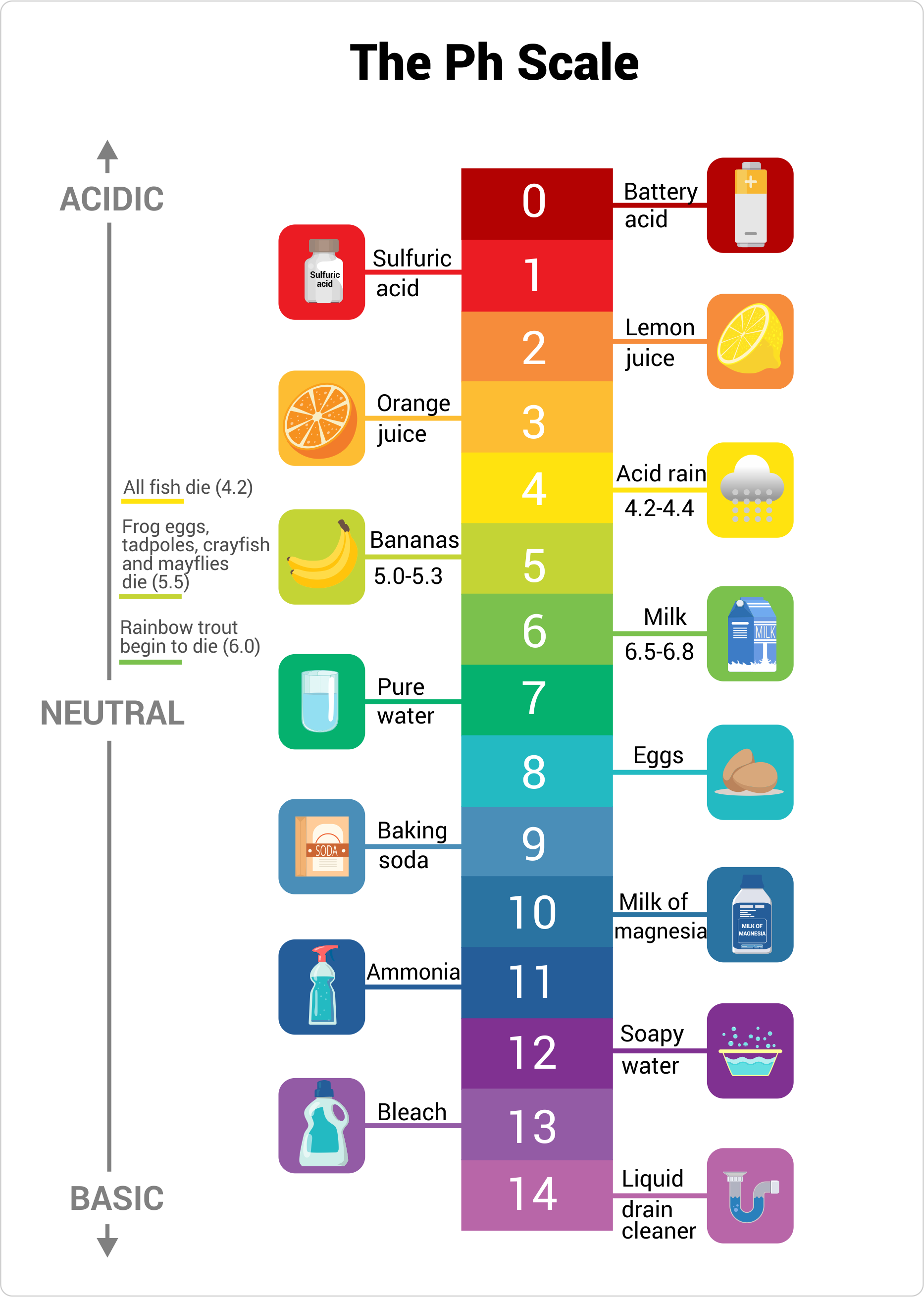
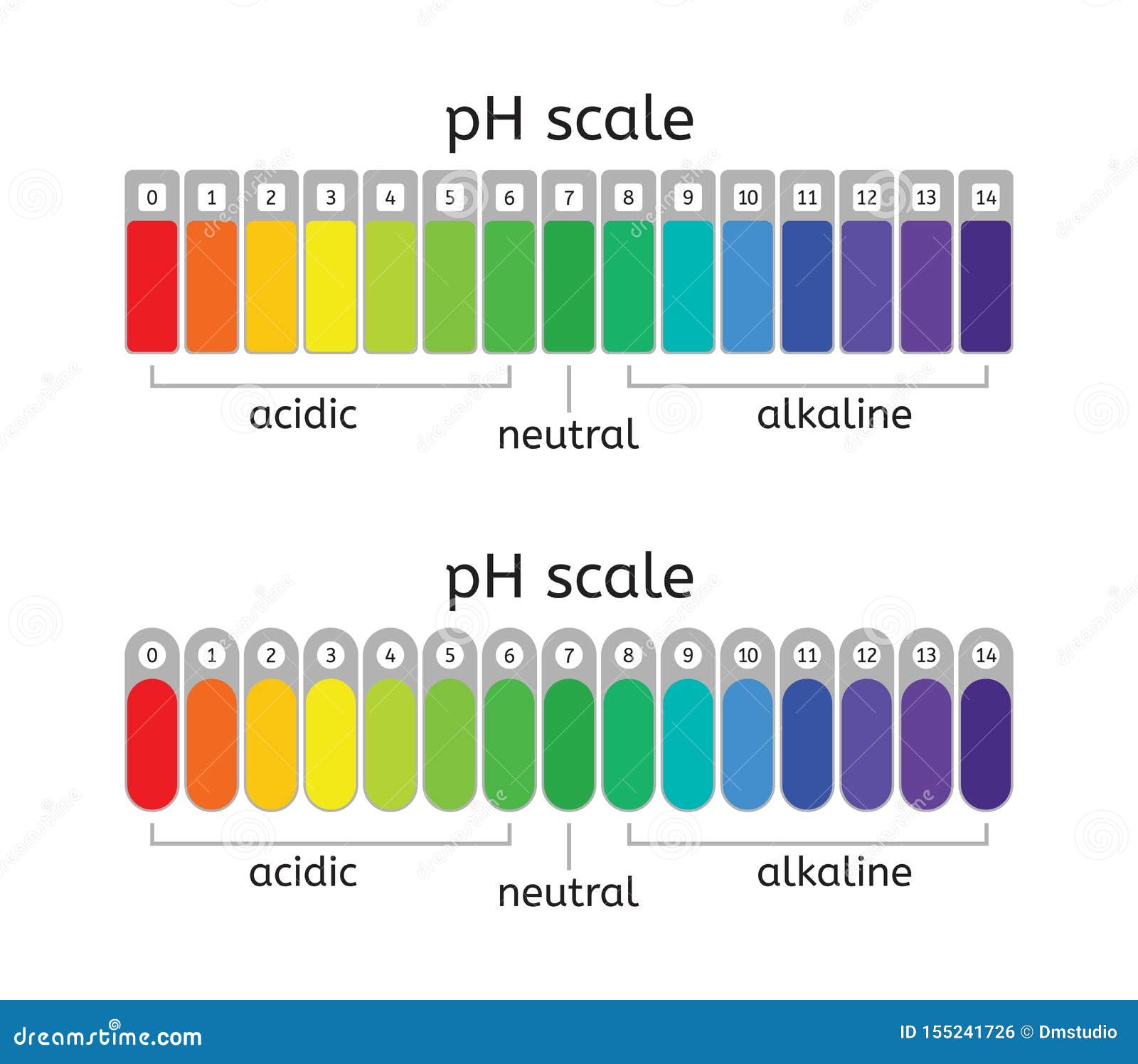
pH, short for potential hydrogen, measures the acidity or alkalinity of a solution. The pH scale ranges from 0 to 14, with 7 being neutral. Any value below 7 is considered acidic, while values above 7 are alkaline. pH levels play a crucial role in various bodily functions, such as digestion, muscle function, and immune system regulation.
Can I adjust my body's pH levels?
pH levels can be measured using pH meters, pH paper, or pH test kits. These tools help determine the acidity or alkalinity of a solution.
However, it's essential to approach pH-related claims with a critical eye, as some may be exaggerated or misleading. Be cautious of products or diets that promise unrealistic pH-balancing benefits.
While it's not possible to drastically change your body's pH levels, you can make lifestyle changes to support optimal pH balance, such as eating alkaline-rich foods, exercising regularly, and managing stress.
Extreme pH levels can lead to various health issues, including digestive problems, kidney disease, and even organ failure.
🔗 Related Articles You Might Like:
Marion County's Most Infamous Criminals: Meet The Faces Behind The Crimes The Shocking Truth About TI Movies You’ve Never Heard Before! what president was blamed for the great depressionCommon Misconceptions
Who is this Topic Relevant For?
What Does PH Stand For?
Common Questions
There are several types of pH, including:
📸 Image Gallery



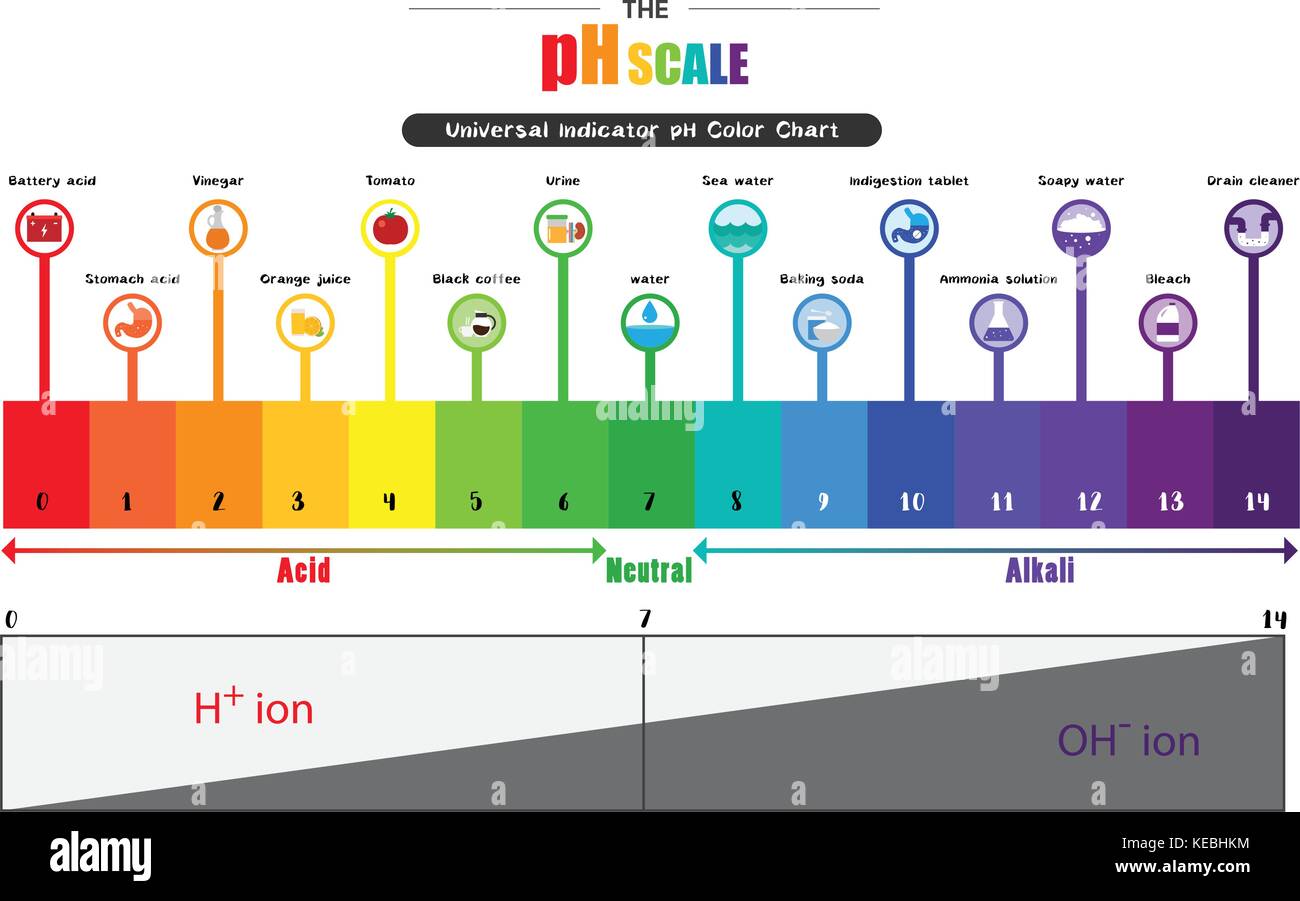
What are the different types of pH?
Opportunities and Realistic Risks
In recent years, the acronym PH has been gaining attention in various industries and online communities, sparking curiosity among many. From foodies and health enthusiasts to entrepreneurs and policymakers, people are asking the same question: what does PH stand for? As a result, the topic has become a trending conversation online, with many seeking to understand its significance and applications.
What are the risks of extreme pH levels?
How it Works: A Beginner's Guide
Understanding pH levels can provide numerous benefits, such as:
The increased interest in PH can be attributed to its relevance in various aspects of American life, particularly in the healthcare, food, and environmental sectors. With the growing awareness of pH levels in bodily fluids, foods, and products, more people are seeking to learn about its importance and how it affects their well-being.
📖 Continue Reading:
Time Warp: Find A Classic Car Time Capsule On Craigslist McAllen! Gas Up Your Skills: The Ultimate Training Guide For Tops GasUnderstanding pH levels is essential for various groups, including:
By staying informed and educated about pH levels, you can make more informed decisions about your health, diet, and lifestyle choices.
Stay Informed, Learn More
Why is it Gaining Attention in the US?
